


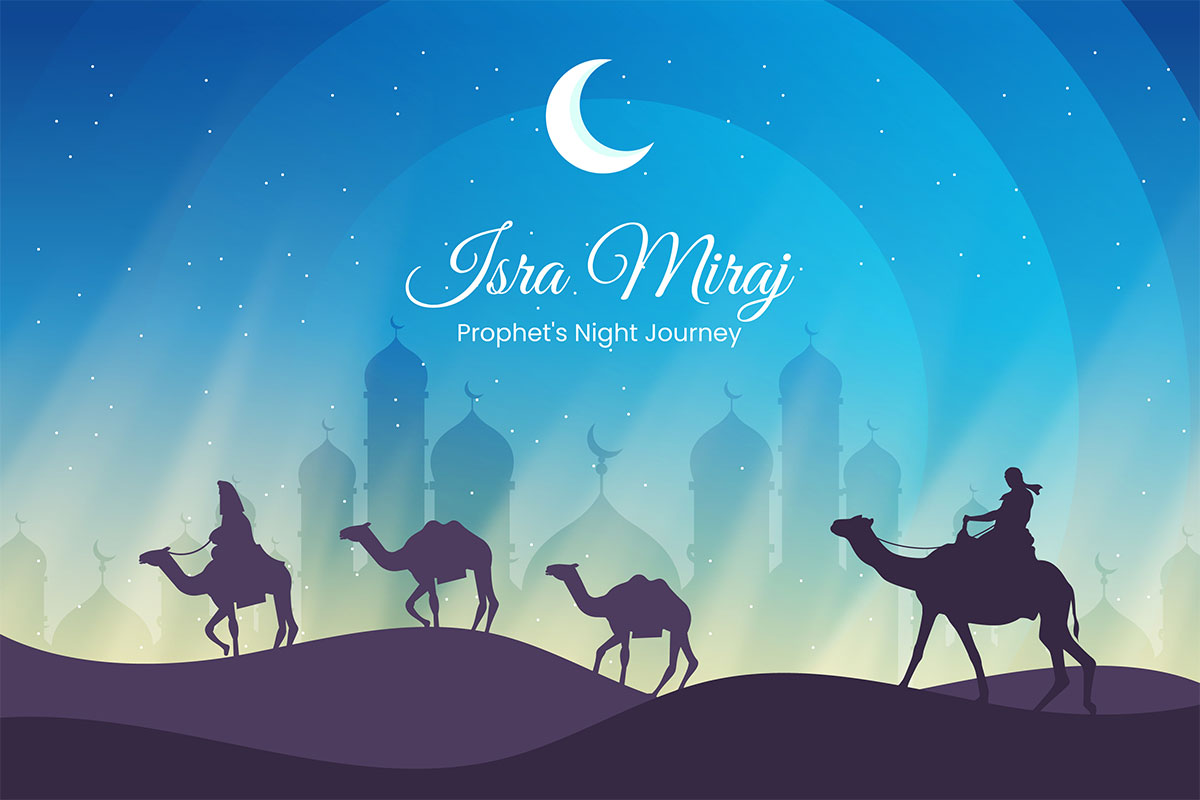
As the crescent moon begins to rise, Muslims in the UAE and around the world pause to think about time, about purpose, and the journey of faith.
While many across the globe celebrate New Year’s Eve with fireworks and countdowns, the Islamic New Year – also known as the Hijri New Year, or Ra’s al- Sanah al-Hijrah – is a more meditative time. It is a period of reflection, prayer and spiritual rejuvenation, based in the tenets of Islam and the historic migration that defined it.
The Islamic calendar is a lunar-based one and months commence with the sighting of the new moon. The year in the Hijri calendar starts not from the Gregorian New Year of 1st January, but from a specific point in the Islamic historical record – the Hijrah: The Migration of Prophet Muhammad (PBUH) from Mecca to Madina, which took place in 622 CE during the Islamic month of Muharram.
This migration was not a movement of travel, it was a movement into a new phase of unity, of community, of staying power of Muslims. That is why it was chosen as the starting point of the Islamic calendar.
When Is It Celebrated?
The Islamic New Year begins with 1st day of Muharram, the first month in the Islamic calendar. Due to the fact that the lunar year is about 11 days shorter than the Gregorian year, the Islamic New Year moves further back with each passing year.
and likely to coincide with Sunday, June 29, 2025 however the exact date might change based on the sighting of the moon in each country and time zone for countries of different hemisphere.
How It’s Celebrated in the UAE
The Hijri New Year is a public holiday in the UAE, and it is an opportunity to take the day off and reflect in prayer and concentrate on spending time with family and friends. Though it is not a day of big parties, the observance of the day is spiritual:
Special prayers at the mosque Muslims around the world go to mosques for special prayers.
Families may read the Qur’an together, in particular those parts that tell the story of the Hijrah.
Acts of charity, reflection, and resolutions for the new year often occur In an accelerated world, the Islamic New Year is an intentional slowing down — a means of resetting spiritually, emotionally.
Insight Hub Takeaway
Hijri New Year is not just a number on the calendar. It is a reminder of mobility with purpose — not merely physical, but spiritual. Just as the Prophet (PBUH) migrated toward a life and community that would be more conducive to his well- being, Muslims today contemplate how they also can grow, give and lead with even greater compassion in the year to come.
In a country such as the U.A.E., mixing contemporary innovation with spiritual roots, this is a moment that reaffirms the principles of faith, patience and resilience.